
About the DGfZ
Cytometry –
the measurement of the properties of cells – is a key technology to investigate, characterize and understand cells in multiple scientific disciplines. Mainly driven by immunology and clinical applications the German society for cytometry (DGfZ) was founded in 1989 as a networking platform for researchers working in the field of flow and image cytometry. Our community works in a broad range of scientific fields from life science to engineering and informatics promoting the connection of expertise and interests on technical developments, applications and service facilities in cytometry in Germany

Founded by cytometry pioneers DGfZ members are still actively involved in the development of instruments, assays and applications. To transfer knowledge and expertise the society has a solid basis of core facilities members, technician scientists, researchers and the annual conference for active interaction and exchange.
We stand for education and knowledge transfer within the field of cytometry and its applications in flow/mass cytometry, imaging, label-free technologies, core facility management, bioinformatics and entrepreneurship.
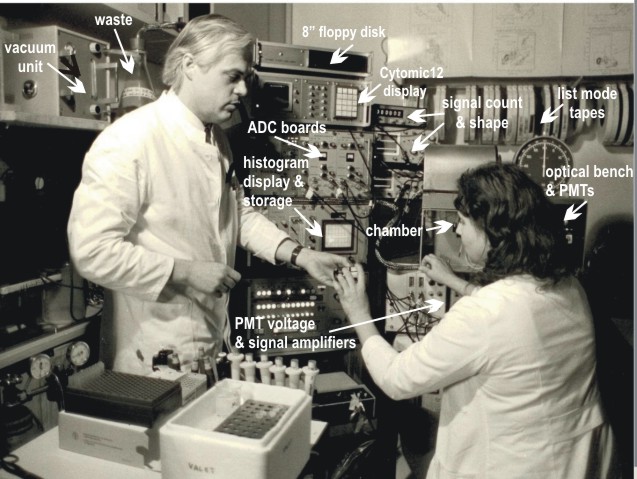
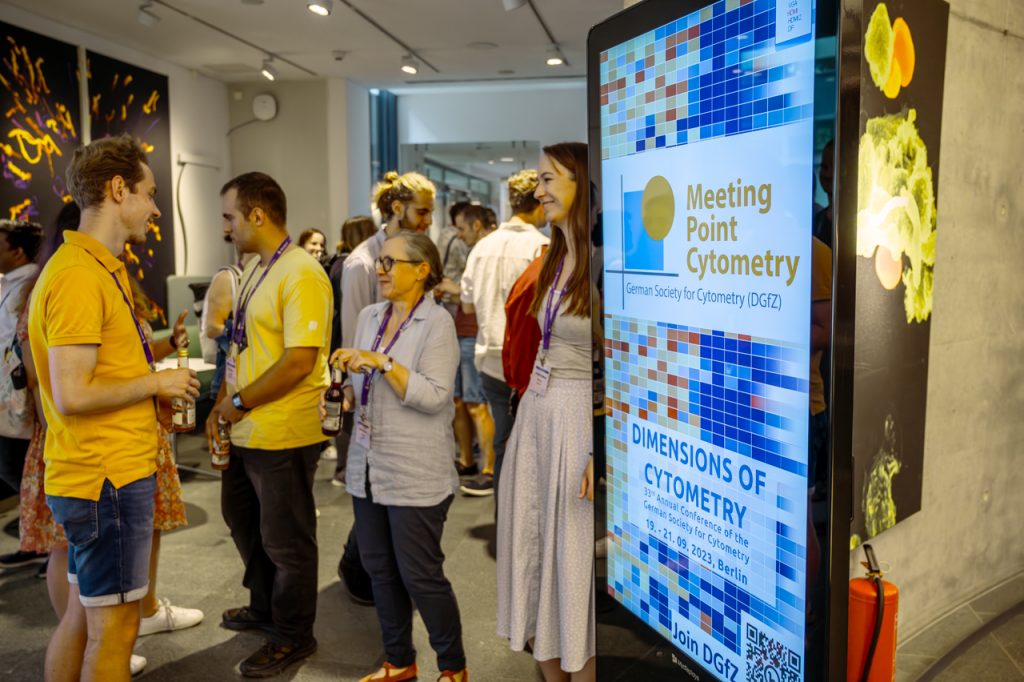
The society actively supports scientific exchange and interaction: the annual DGfZ meeting is well recognized, promotes international collaborations by hosting an European Guest session, and benefits scientists at any stage. In addition, the meeting highlights the strong partnership of the society with industry, which further expands the network of the community.
The basis of the society builds the diverse network, interactions and collaboration between academia, core facilities and industry
The for more than 30 years now DGfZ is an open, diverse, community-focused and educative society – advancing cytometry and cytometrists.
Board
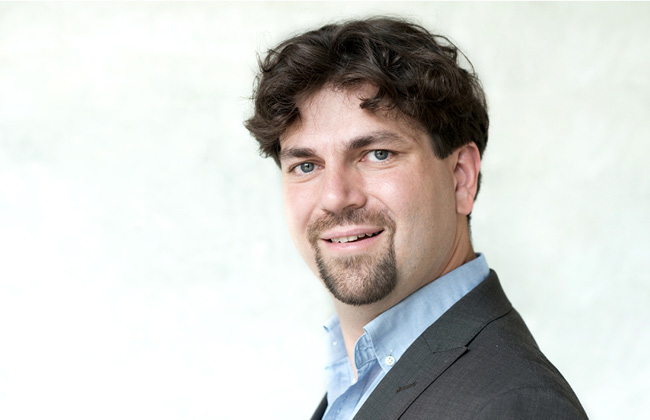
Henrik Mei
President of the DGfZ
Deutsches Rheuma-Forschungszentrum Berlin
Group leader Mass Cytometry
Each cell is unique
Using mass cytometry, we are conducting biomarker discovery studies in several cohorts of patients with various chronic inflammatory diseases such as rheumatoid arthritis, SLE and inflammatory bowel disease.
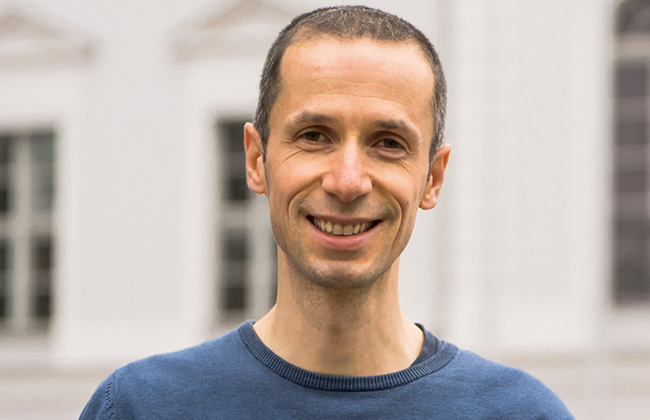
Oliver Otto
Vice President of the DGfZ
University Greifswald
Zelluläre Biophysik
The research group Cellular Biophysics at the University of Greifswald develops label-free cytometry methods based on the biophysical properties of cells and tissues.

Thomas Kroneis
Secretary of the DGfZ
Medical University of Graz
Division of Cell Biology, Histology and Embryology
Slide-based Cytometry – Microchimerism, my field of research, is based on the analysis of rare cells (and their DNA, RNA, etc.), e.g. maternal cells in fetal tissues or fetal cells in the tissue of the mother. For detection, we use the toolbox of slide-based cytometry. Among others, we use fluorescence in situ hybridization, immunohistochemistry and other in situ techniques to identify and verify microchimeric cells as well as interpret their biology in a spatial context (Spatial Biology).
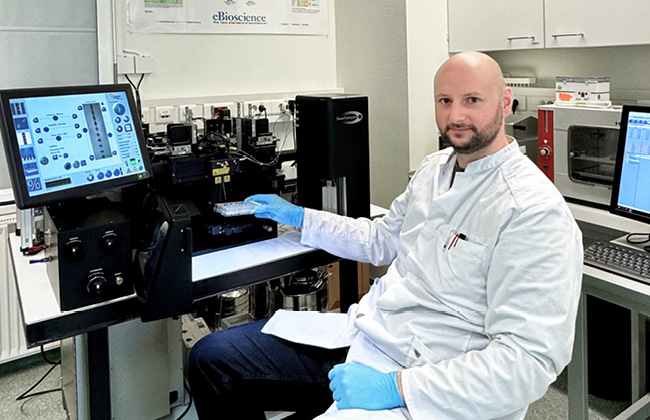
Christian von Rein
Tresurer of the DGfZ
Research Institute for Farm Animal Biology (FBN), Dummerstorf
I work at the institute in the ‘Service Group Cytometry’ as an operator for the flow cytometers and microscopes. This means that I am mainly responsible for the practical/technical part.
Advisory board
- Jochen Behrends Forschungszentrum Borstel
- Bertram Bengsch Medizinische Fakultät der Universität Freiburg
- Lisa Budzinski Deutsches Rheuma-Forschungszentrum (DRFZ) Berlin
- Hyun-Dong Chang Deutsches Rheuma-Forschungszentrum (DRFZ) Berlin
- Elmar Endl Medizinische Fakultät der Universität Bonn
- Wolfgang Fritzsche Leibniz-IPHT, Jena
- Anja Hauser Deutsches Rheuma-Forschungszentrum (DRFZ) Berlin
- Christin Koch Helmholtz Centre for Environmental Research – UFZ, Environmental Microbiology, Leipzig
- Christian Kukat Max Planck Insitut für Biologie des Alterns, Köln
- Raluca Niesner Deutsches Rheuma-Forschungszentrum (DRFZ) Berlin
- Frank A. Schildberg Klinik und Poliklinik für Orthopädie und Unfallchirurgie der Uniklinik Bonn
Statutes
DGfZ 2024
The Society is an interdisciplinary scientific association with a particular interest in cytometry and its promotion. It pursues exclusively and directly non-profit (scientific) purposes. It organises conferences and other meetings for the purpose of exchanging experience and promoting developments in all areas of analytical and preparative cell research.
Past Meetings
see our history
1988 – 2004 Heidelberg




2011 – 2012 Bonn

2013-2014 Dresden

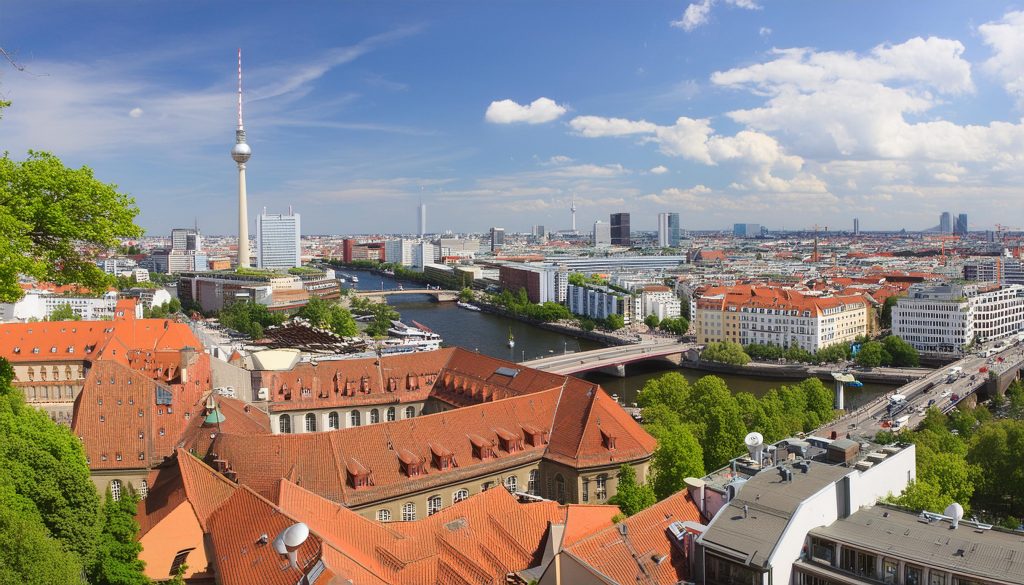

2019 – 2020 Berlin


2023 – 2024 Berlin